STARSQUALL
—
— km · — km/s
live position via SGP4 · CelesTrak elements · radial scale stylizedOur mission
Improving the outcomes of an increasingly satellite‑dependent society.
More than 16,000 active satellites carry the signals for modern navigation, guidance, and timing. Weather from the sun bends those signals and drags on the machines that send them. Starsquall watches the sun, the wind it drives across space, and how Earth responds — turning space weather into decisions: a forecast before trouble arrives, and a data‑driven account of the aftermath.
Terra — precision GPS conditions, measured hourly
Know before the sky costs you a field day.
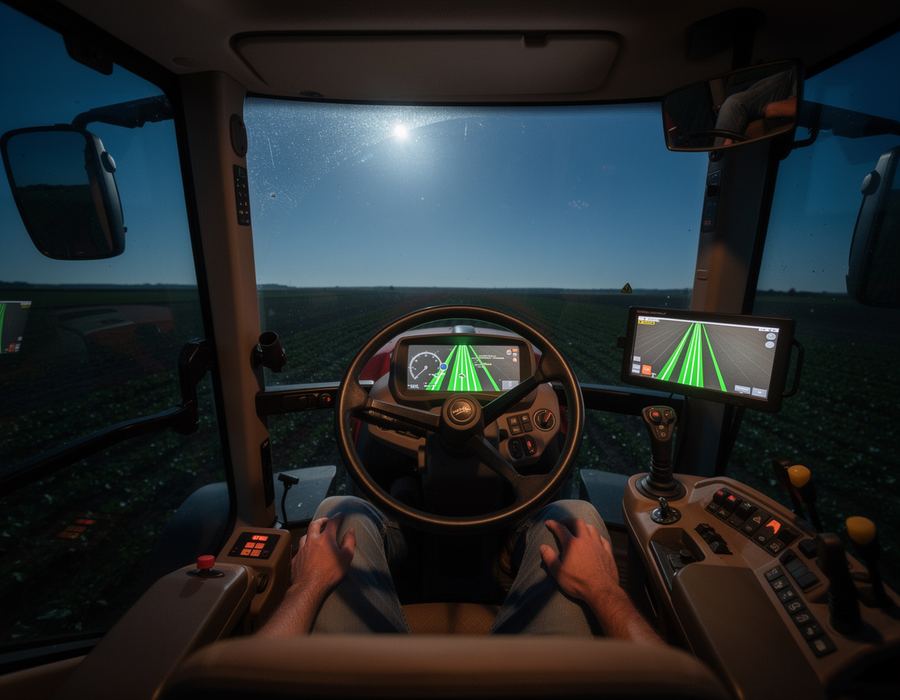
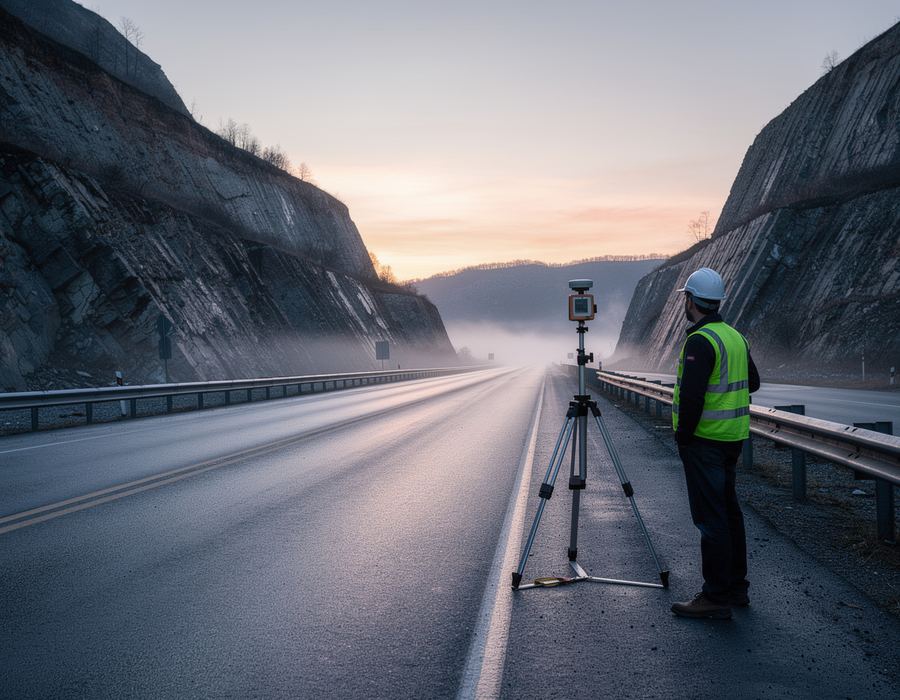
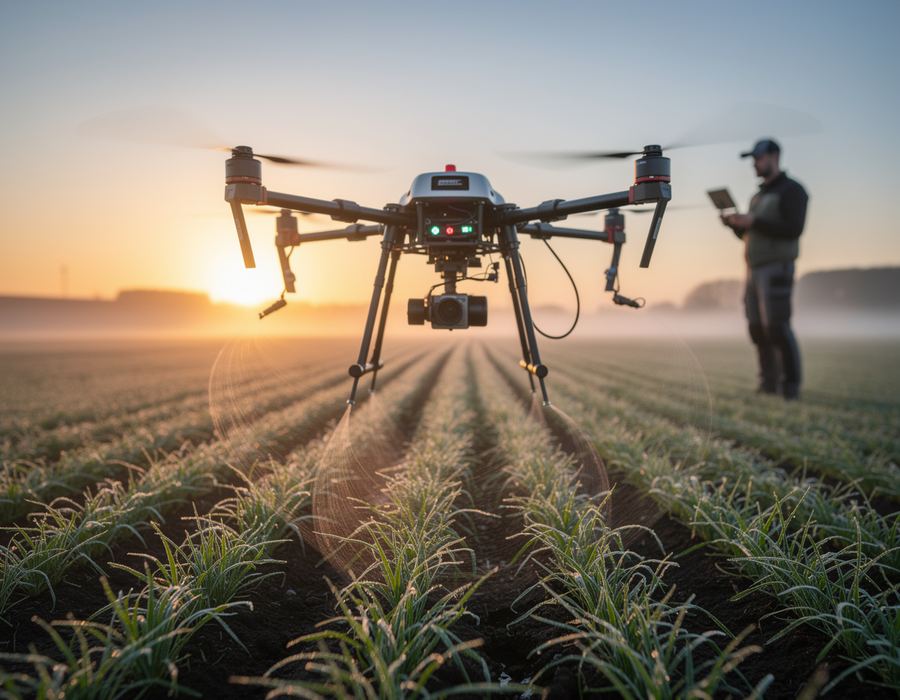
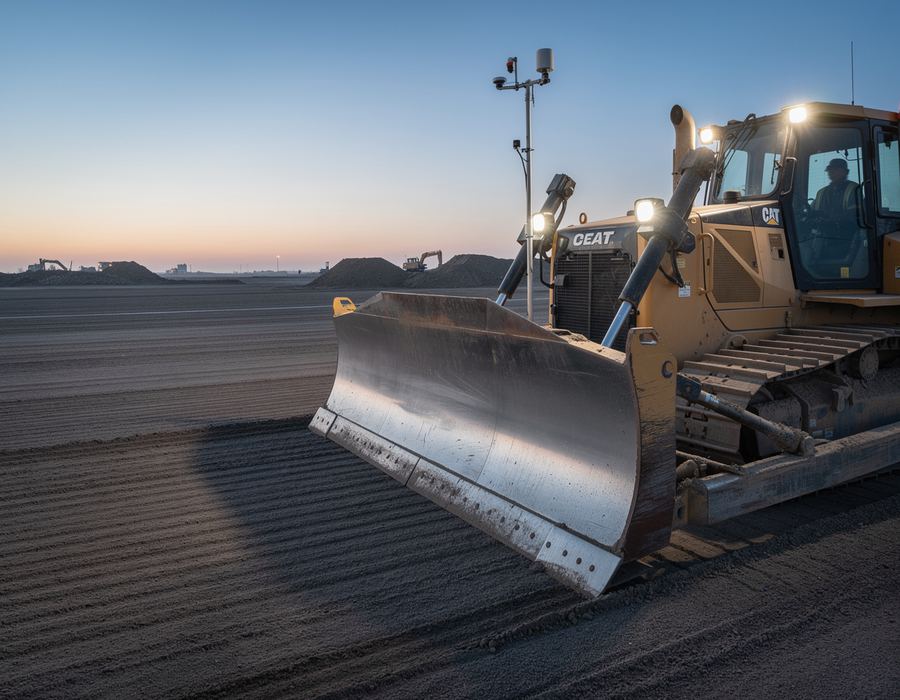
Solar storms scramble the corrected GPS that steers tractors, drones, survey rovers, and graders. In May 2024, one storm pushed position errors past 230 feet over the central US in the middle of planting season. Kansas State economists put the cost to Midwest corn growers in the hundreds of millions — a central estimate of $565M, in a range running from $70M to $1.7B depending on how far planting slipped. Terra measures what the ionosphere is doing over your region, every hour, from NOAA's own ground stations — the hour just past, not a forecast. The forecast is what we are building toward.
Astra — storm forensics
After the storm. Forensic aftermath analysis.
When satellites drop, drift, or age faster than planned, someone owns the bill. Astra reconstructs the impacts of a storm to orbiting assets, generating forensic evidence for operators, insurers, and researchers. It runs as open research until its accuracy earns your trust. Findings published here first.
First case on the bench — the minor 2022 storm that took 38 satellites
Storm alerts + Terra beta
One email when it matters.
Free during beta. Two confirmations to get on the list, one click to get off it. No tracking.